
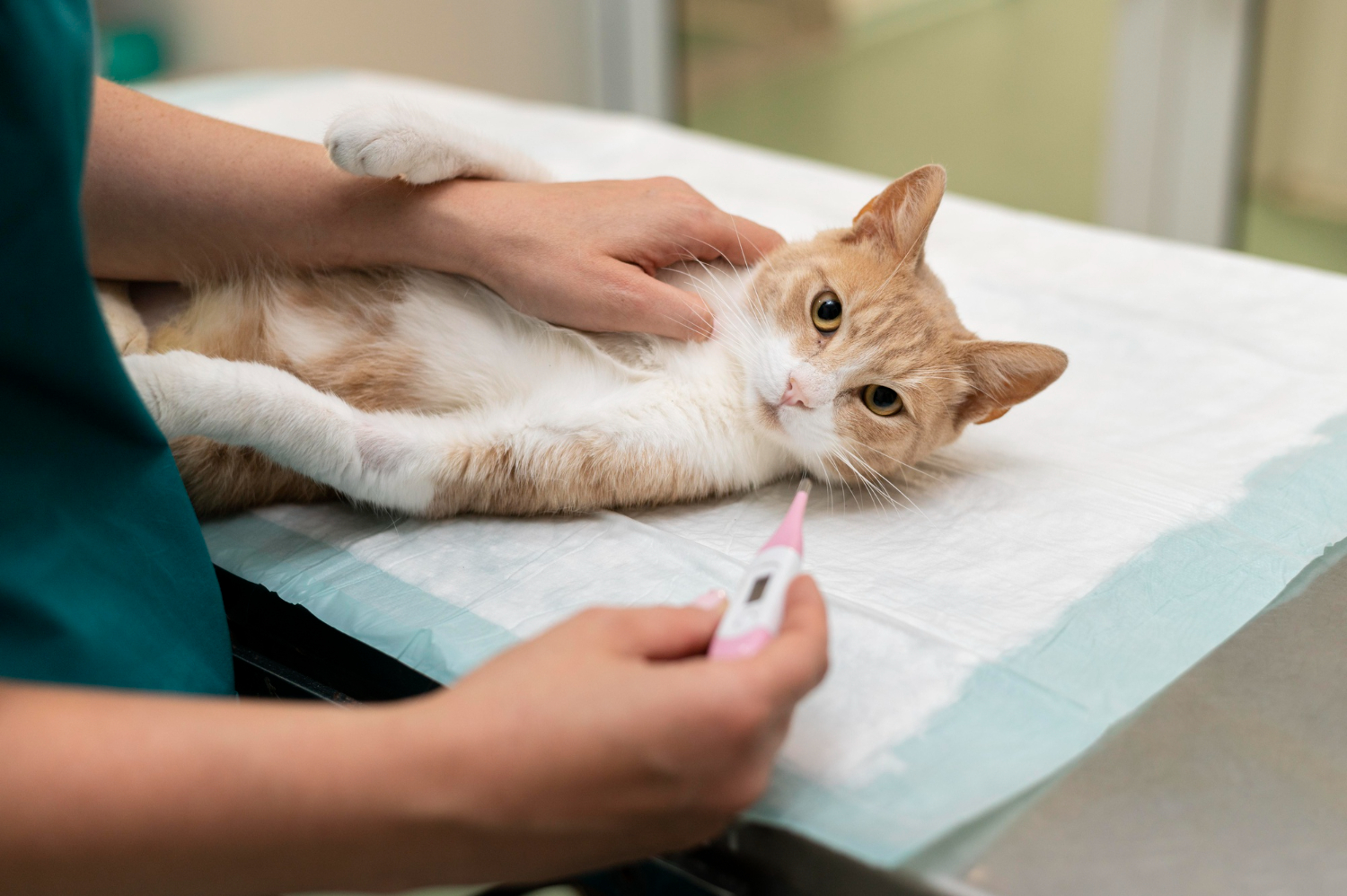
When a pet starts acting strange, it’s easy to feel unsure about what’s going on. They can’t point to where it hurts or say what feels off. That’s where diagnostics performed by a vet play a big role. These diagnostics help uncover problems hidden beneath the surface. These tests and scans give the vet a closer look and better understanding about what is making your pet feel unwell.
Sometimes, small signs like hiding, shaking, or low energy are our first clues. But those signs could come from many different causes. With the help of the right diagnostic tools, a vet can figure out what’s really wrong and act fast. From stomach issues to lung trouble, these tests help vets make sense of symptoms that don’t show up clearly from the outside.
How Vets Use Tests to Understand a Sick Pet
Diagnostics are tests to learn more about your pet’s condition. Vets use things like X-rays to take pictures inside the body, blood tests to check how organs are working, and urine testing to check for infection and kidney function.
The kind of symptoms your pet shows on the vet’s initial physical exam and the description of what you, the owner, has seen at home determines which tests will give us the best answers. For example:
- If a dog is not using one leg, they may start with an X-ray to see if any bones are broken.
- If a cat isn’t eating and has a fever, the vet will want to look at bloodwork first.
- If you describe your pet as having accidents in the house or their urine looks bloody, urine testing can help the vet understand why.
- If your pet is at risk for a certain contagious disease, sometimes a quick swab test is all that is needed to diagnose.
Running these tests quickly matters. When a pet feels sick or is in pain, waiting too long can allow the problem to get worse. Fast results from in-house tests mean the vet can start treatment sooner and give your pet a better chance to recover.
Common Illnesses These Tests Can Reveal
Some problems are easy to spot, like a laceration to the skin. However, many issues are hard to distinguish without testing. That’s why standard diagnostic tests, like X-rays and bloodwork, are often recommended when a pet is not feeling well.
- Vomiting and Diarrhea: Anything from swallowed items, toxins, bloated stomach, infections or organ dysfunction could be responsible. X-rays help us look inside the body and blood work helps us see signs of infection or which organ might have the problem.
- Fevers and general lethargy: Often point to infections but also would indicate pain or even cancer. Specific infection testing like for parvo or FIV, can help rule these diseases in or out. But standard bloodwork often points to the specific organ or type of infection so the vet can narrow down which specific tests make the most sense for your pet.
- Limping and other injuries: Sometimes something like a broken leg is obvious. But if your pet is injured or just acting painful they cannot tell you exactly what hurts. X-rays are not only great at seeing broken bones, they can check for other internal injuries like bleeding in the abdomen or bruising on the lungs. Blood work can help determine if your pet has lost enough blood to need a transfusion, or if the injury has compromised their liver or kidneys.
Being able to identify these problems early makes a big difference. Treating an infection is very different from treating organ trouble, and testing points the vet in the right direction from the start.
Hidden Dangers Around the House and How Diagnostics Detect the Damage
The normal food, snacks, and everyday items we have in our homes can often be overlooked as dangers to our pets. Pets that eat, chew on, or even lick some types of food or household items can all get into trouble fast. Things that we love like grapes/raisins, garlic, onion, candy, or even flowers can be toxins to our pets. Household cleaning supplies, electronic wires, or even our clothing can cause big problems if a pet chews or swallows them.
The thing is, we don’t always see it happen. Your dog might eat something from the trash, or your cat could chew on a bouquet of flowers without anyone noticing. Later, they start to vomit, act tired, or avoid food. That’s where testing becomes beneficial.
With diagnostic tools like X-rays, we can look for things stuck in the stomach or intestines. Bloodwork helps show if there’s been poisoning or damage to organs. And if there are no visible signs, but something still seems wrong, an experienced vet paired with diagnostic testing can often uncover the cause.
When Symptoms Are Serious and Can’t Wait
Some symptoms need fast help, no matter how calm your pet seems. Waiting a day to see if things improve could be risky when minutes can matter. If your pet shows any of these signs, it’s a reason to seek veterinary treatment now:
- Trouble breathing or shallow breaths
- Vomiting more than 1 time in a row
- A belly that feels hard or swollen
- Seizures or noticeable lack of balance
- Sudden collapse or weakness
EVE Pet Hospital wants pet owners to feel comfortable reaching out early, not just when things have reached a crisis. Some conditions are easier to treat in the early stages. Fast testing and diagnosis can spare your pet from more pain and help avoid more advanced problems. Please call us anytime at 480-919-VETS (8387). Experienced staff can answer your questions 24/7 and help you decide if you need to bring your pet in right away or if waiting until morning is likely safe or not.
What Pet Owners Can Expect at Their Visit
Coming in for diagnostic testing isn’t scary, and EVE staff do what we can to keep it calm and comfortable for everyone. When a pet is brought in for testing at EVE Pet Hospital, here’s what usually happens after you check in:
- History: A technician will start by asking questions about your pet’s symptoms or what you noticed at home, and when. They may ask about your pet’s medical history besides current symptoms so we can get a full picture of your pet’s health.
- Triage: The technician will check vitals to see how stable they are to determine how urgent your pet needs treatment compared to the other pets there.
- Doctor exam: The veterinarian will perform a thorough examination of your pet from nose to tail. Then they will talk to you about their findings, then discuss what diagnostic tests and/or treatments they recommend for your pet and why. .
- Payment Options: The technician will come back in with the list of diagnostics or treatments with pricing. EVE Pet Hospital offers four different financing options to help make care for a pet accessible for everyone.
Some tests might happen right away, such as a snap Parvo test or blood sugar check. X rays and blood work usually take about an hour once submitted. Safety always comes first, and we go as gently and carefully as we can. Sometimes treatment like a pain relief injection or an antinausea medication may be given to your pet before we have diagnostic results to help make them more comfortable while we wait for answers. The process is designed to be as smooth and stress-free as possible. Pets are often nervous at the vet, so EVE staff working with them may suggest a mild sedative before diagnostics are performed to help make positioning them on the X-ray table or drawing their blood less stressful on your pet.
Once the tests are done, the veterinarian will go over the results with you and talk through what they tell us. From there, we can make a plan to help your pet feel better and heal.
Understanding Your Pet’s Health Before It Gets Worse
When pets can’t speak, diagnostic tests speak for them. That’s what makes early visits and proper diagnostics so important. If your pet’s behavior is off, they’ve eaten something strange, or they just don’t seem like themselves, it’s worth checking out.
By paying attention to the little clues and using the right tools, EVE can help you figure out what’s wrong and what’s needed to help. Diagnostic testing takes the guesswork out of care and gives peace of mind, both for pet owners and for the animals we all love.
When you notice changes in your pet’s behavior that are concerning, our team at EVE Pet Hospital in Mesa, Arizona, is here to support you. With in-house diagnostics available, EVE vets can quickly identify health concerns and start targeted treatment. If you feel like your pet needs diagnostic testing, visit EVE Pet Hospital anytime day or night. Your pet's emergency is our priority, 24/7.