
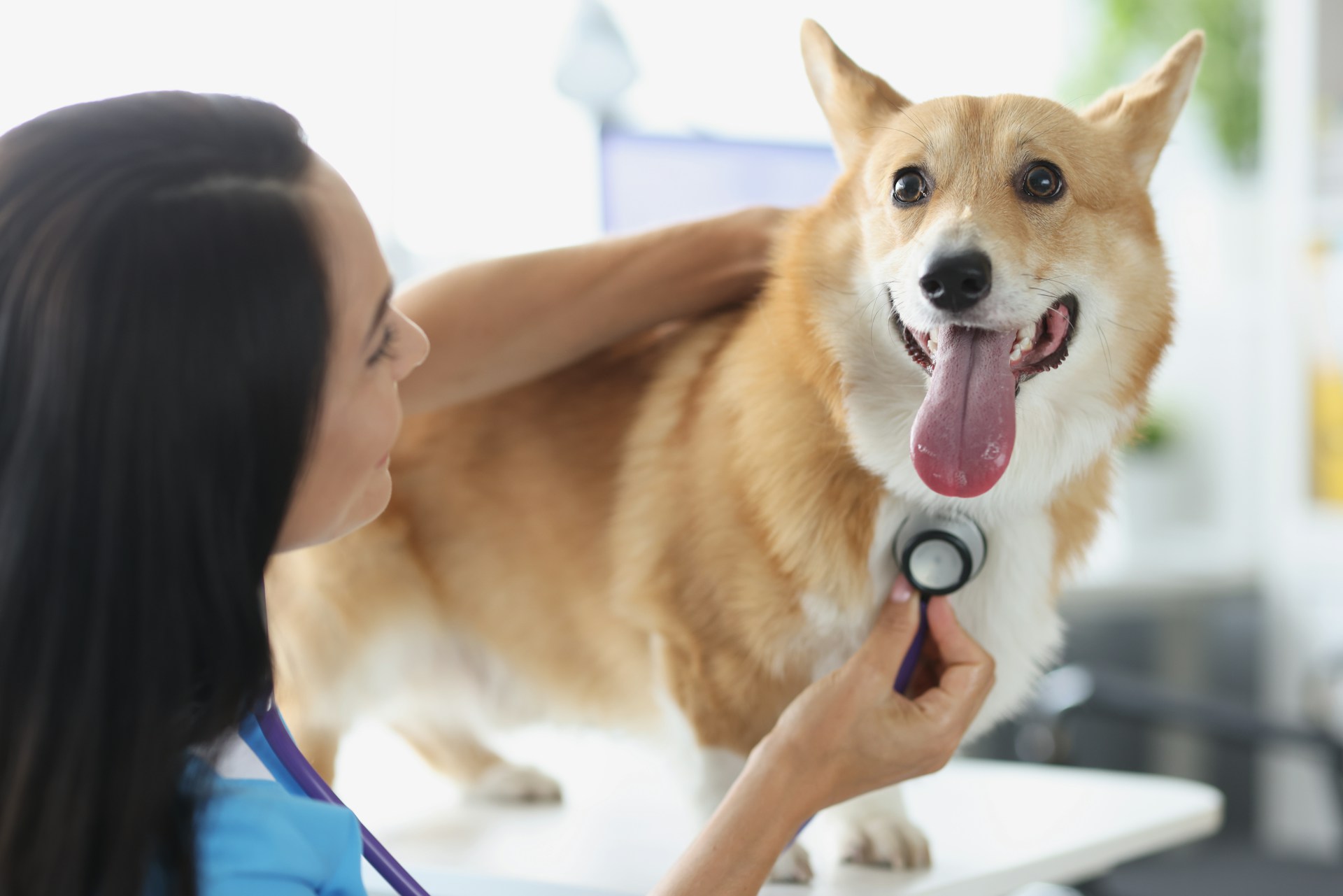
When Sudden Changes Mean Your Pet Needs Help Now
Stroke in pets sounds scary, and it is. A stroke happens when blood flow to part of the brain is suddenly blocked or there is bleeding in the brain. Brain cells do not get the oxygen they need, and that can affect balance, vision, movement, and behavior very fast.
In dogs and cats, stroke signs are easy to miss or explain away as clumsiness or “just getting older.” But sudden changes are not normal aging. When a pet suddenly acts different, cannot walk right, or seems out of it, that is a red flag for a medical emergency.
Late summer can make things even more confusing. Heat, holiday cookouts, kids back home from break, and travel can all stress pets and hide early neurologic signs. During these busy days, it helps to know what is an emergency so you can act quickly if something feels wrong with your dog or cat.
What a Stroke Looks Like in Dogs and Cats
Stroke signs in pets often appear out of nowhere. One minute your pet seems fine, and the next they are not acting like themselves. Common signs include:
- Sudden loss of balance or wobbliness
- Walking in circles in one direction
- Head tilt that appears quickly
- Uneven or weird-looking pupils
- Sudden trouble seeing or bumping into things
- Collapse, falling over, or tipping to one side
- Disorientation, acting confused, or seeming “spaced out”
Dogs often show obvious changes in balance and movement. For example, your dog might drift to one side when walking or refuse to stand, instead sitting or lying down more than usual. Some dogs will stare at the wall or get stuck in corners, and others may seem scared or panicked without an obvious reason.
Cats can be a bit trickier because their signs may be more subtle. You may notice your cat hiding in new or strange places, having a sudden change in personality (such as aggression or clinginess), staring into space or at nothing, or moving more slowly with a wobbly or stiff walk.
Stroke signs can look similar to fainting, a seizure, or simple dizziness from ear problems, and at home it is almost impossible to tell the difference. What matters most is that the signs are sudden. If your pet suddenly cannot walk right, seems very confused, or looks “off,” they should be seen by an emergency vet right away, not watched at home to “see if it passes.”
Red Flag Symptoms That Require an Emergency Vet Now
Some symptoms are clear “go now” warnings. If you see any of these, your pet needs emergency care as soon as you can safely get there:
- Sudden inability to stand or walk
- Repeated falling over when trying to walk
- Severe head tilt with rolling or constant circling
- Loss of consciousness or unresponsiveness
- Seizures, even a single seizure in a pet with no history
- Extreme confusion, pacing, or acting as if they do not know you
There are also serious add-on signs that can mean stroke or another life-threatening problem:
- Vomiting or retching, especially more than once
- Breathing that seems fast, loud, or very hard
- Pale, gray, or blue gums
- Crying out, panting, or other signs of strong pain
Waiting for a regular vet appointment in these situations can be risky. The brain is very sensitive, and early care can sometimes limit ongoing damage, treat blood clots or bleeding, and support the rest of the body while the brain recovers. Many causes of stroke-like signs are also treatable problems that cannot wait, such as severe blood pressure changes, toxin exposure, or internal bleeding.
If your pet has any sudden neurologic changes plus these red flag symptoms, it is an emergency. Do not wait to see if they “sleep it off.”
Hidden Home and Holiday Hazards That Can Trigger Neurologic Signs
Some things around the house or yard can cause stroke-like signs even if your pet is not having a true stroke. Late summer often brings holiday parties, backyard grilling, and more people coming and going, which means more chances for pets to get into trouble.
Common items that can lead to wobbliness, seizures, or collapse include:
- Human medications like pain pills or antidepressants
- Rodent poisons
- Strong household cleaners and chemicals
- Marijuana or edibles that contain THC
Around holidays and gatherings, pets may find:
- Fatty table scraps from barbecues
- Alcohol in cups left on low tables
- Chocolate, especially dark or baking types
- Sugar-free gum or candies with xylitol
- Decorative plants or flower arrangements
These things can cause many serious problems, such as internal bleeding, very low blood sugar, sudden blood pressure changes, or seizures. All of these can look like a stroke to a pet parent. Even if it turns out not to be a stroke, it is still an emergency.
Pet-proofing before guests arrive really helps. Keep food and drinks out of reach, close trash lids, and store meds and chemicals in closed cabinets. If you ever realize your pet might have eaten something unsafe and then see wobbliness, collapse, or confusion, it is not a time to wait. They need emergency care right away.
How Emergency Vets Diagnose and Treat Suspected Stroke
When you arrive at a 24/7 emergency vet with a pet that may be having a stroke, the team will move quickly. The first steps usually include:
- Triage to see how urgent the situation is
- Checking vital signs such as heart rate, breathing, and temperature
- A quick neurological exam of the eyes, legs, and reflexes
- Questions about when you first noticed signs and any possible toxin exposure
From there, the vet may recommend tests. These are used to look for underlying causes and to rule out other emergencies that can mimic a stroke, such as toxin exposure, severe metabolic problems, internal bleeding, or dangerously high blood pressure. Possible tests include:
- Bloodwork to check organs, blood sugar, and signs of infection
- Blood pressure measurement
- X-rays or ultrasound to look for bleeding, tumors, or other problems
- Referral for advanced imaging like MRI or CT if needed to better see the brain
Treatment depends on the cause and how sick your pet is. In many cases, the immediate goal is to stabilize breathing and circulation, protect the brain, and control distressing symptoms while monitoring closely for changes. Treatment often includes:
- Oxygen to help the brain and body
- IV fluids to support blood pressure and hydration
- Medication to control seizures, nausea, or anxiety
- Pain management if your pet seems uncomfortable
- Hospitalization and close monitoring for changes in breathing, heart function, and neurologic status
Round-the-clock nursing care and quick response to any changes can make a big difference in comfort and can support better outcomes for many dogs and cats with neurologic emergencies.
Helping Your Pet Recover Safely After a Stroke
Stroke recovery in pets can look different for each animal. Some pets improve quickly over a few days, while others need weeks for balance and behavior to settle. You might notice slow but steady changes like:
- Walking straighter and falling less
- Head tilt becoming less dramatic
- More interest in family, toys, or food
Home care usually focuses on safety and calm while your pet regains strength and coordination. A few helpful ideas:
- Set up a soft, padded resting spot away from busy areas
- Block off stairs and slippery floors
- Use non-slip rugs or yoga mats for better footing
- Help with eating and drinking if your pet struggles to reach the bowls
- Keep noise and sudden activity low, especially right after discharge
Follow medication instructions carefully, and keep all recommended recheck visits with your primary vet or emergency vet. Watch for warning signs such as new seizures, sudden worsening wobbliness, repeated vomiting, or changes in breathing. If anything worries you, it is safest to have your pet checked again.
Many pets can return to a happy, comfortable life with fast emergency care and thoughtful support at home. Even if your pet is left with a mild head tilt or a little wobble, they can often adapt very well and still enjoy their favorite things.
Get Fast, Compassionate Care For Your Pet In An Emergency
When every minute counts, our team at EVE Pet Hospital is ready to act quickly and keep you informed at each step. If your pet is suddenly injured or seriously ill, you can rely on our dedicated emergency vet services to provide thorough evaluation and treatment. If you are unsure whether your pet’s situation is urgent, call us at 480-919-8387 - we'll help you decide on the right next step for your pet.