When a Limp After Dark Becomes an Emergency
A limp that shows up late at night can be scary. One minute your dog or cat is fine, the next they are holding up a paw or refusing to walk, and your regular vet is closed. You are stuck between waiting until morning or heading to an emergency vet right now.
That choice feels stressful because limping can mean many different things. Sometimes it is a simple sprain or sore toe. Other times it is a sign of a broken bone, torn joint, internal bleeding, blood clot, or even toxin exposure. Some of those problems cannot wait.
We are a 24/7 emergency vet hospital in Mesa, AZ, focused on dogs and cats that need urgent help when seconds count. Below, we will walk through simple questions you can ask yourself so you know when that late-night limp is a true emergency.
Ask First: What Just Happened to Your Pet?
Before you panic, pause and rewind the last few minutes. What was your pet doing right before the limp started? This quick mental check often gives the first big clue. Think through likely “cause” scenarios such as a fall or jump from high furniture or a balcony, someone accidentally stepping on a paw or tail, a door closing on a leg, or rough play, wrestling, or a collision with a wall or table.
Some situations almost always deserve an emergency vet visit, even if your pet is still able to walk a little, including:
- Any chance your pet was hit by a car, even at low speed
- Falls from heights, like stairs, decks, or balconies
- Animal attacks, such as coyote bites or fights with larger dogs
- Limps that start right after a loud yelp or obvious trauma
For summer in Arizona, there are a few extra things to think about. Late walks on hot pavement or artificial turf can burn paw pads, and pets may pick up burrs, cactus spines, or sharp foxtails that get stuck between the toes. Sudden non-weight-bearing limps can also show up after bee or scorpion stings. Any of these can be very painful and may need emergency care, especially if your pet is small or seems distressed.
Hidden Dangers That Turn a Limp Into a Red Alert
Not every emergency limp comes from obvious trauma. Some start indoors with everyday household hazards. For example, a leg or paw can get stuck in recliners or fold-out sofas, under doors, or between deck boards, in kennel or crate wire, or in gaps on stairs or furniture. Heavy objects dropping on a leg or paw, like a box, chair, or heavy toy, can also cause fractures or crushing injuries.
Then there are hidden dangers that can make a pet look wobbly, weak, or “limpy” when the real problem is internal. During late-summer parties or gatherings, pets may sneak items such as:
- Corn cobs, skewers, or cooked bones
- Fatty meats, rich leftovers, or greasy foods
- Grapes or alcohol
- Marijuana edibles or products with xylitol, such as some gums
These can lead to stomach trouble, pancreatitis, liver problems, low blood sugar, or neurologic signs. A pet that is staggering or too weak to walk normally should be treated as an emergency, not just “sore.”
Out in the yard or garage, many products are also unsafe for pets. Fertilizers, snail bait, rat poison, antifreeze, and pool chemicals can all cause serious illness. The signs can sometimes look like a limp but are actually whole-body problems, such as:
- Staggering or trouble walking
- Shaking, twitching, or seizures
- Sudden reluctance to move
- Collapse or extreme weakness
Any time a limp comes with these signs, your pet needs immediate care at an emergency vet hospital.
How Severe Is the Limp Right Now?
Once you think about what just happened, look closely at how your dog or cat is moving. This does not replace a vet exam, but it helps you judge how urgent things may be.
Ask yourself:
- Is my pet refusing to put any weight on the leg?
- Are they just slightly favoring it but still walking around?
- Does touching one specific toe or pad cause a reaction, or does the whole limb seem painful?
- Is there any swelling, heat, or obvious deformity?
Certain red-flag signs mean you should not wait:
- Sudden inability to stand or walk
- Dragging a leg or crossing legs when walking
- Intense pain when you gently touch the area
- Large swelling, clear deformity, or a limb that looks “bent wrong”
- Any open wound, heavy bleeding, or a dangling limb
It is also important to watch your pet’s whole body, not just the leg. A limp plus systemic signs can signal a true emergency. Call a 24/7 emergency vet right away if you see limping along with:
- Pale or white gums
- Rapid or labored breathing
- Restlessness, crying, or not settling
- Vomiting or diarrhea
- Collapse or near collapse
- A swollen, firm, or painful belly
These may point to internal bleeding, organ trouble, blood clots, or other life-threatening conditions.
When It Is Safe to Monitor and When to Drive Now
Sometimes it is okay to watch your limping pet for a short time, and sometimes waiting is risky. The hard part is telling which is which.
It may be reasonable to monitor briefly at home if:
- The limp is mild and your pet will still walk on the leg
- There is no known trauma, fall, or car-related event
- You see no swelling, wounds, or obvious deformity
- Breathing is normal and gum color is pink
- Your pet is still bright, alert, and willing to eat
On the other hand, you should seek emergency care right away if:
- There is any known trauma, such as a fall, car strike, or crush injury
- Your pet cannot or will not put weight on the leg
- The pain seems severe, with crying, snapping, or hiding
- More than one leg seems weak or wobbly
- The limp comes with vomiting, diarrhea, or lethargy
- Your pet is older with a history of cancer and develops sudden lameness
- Your pet is diabetic or has another serious condition and suddenly limps or seems weak
In Arizona summers, heat adds another layer. Heatstroke and burned paw pads can show up as limping, lying down on walks, heavy panting, drooling, bright red or pale gums, or collapse. These are always emergencies that should be seen at a dedicated emergency vet hospital as soon as possible.
What to Expect at EVE Pet Hospital Tonight
If you decide the limp is serious, knowing what will happen at the emergency vet can make the drive a little less scary.
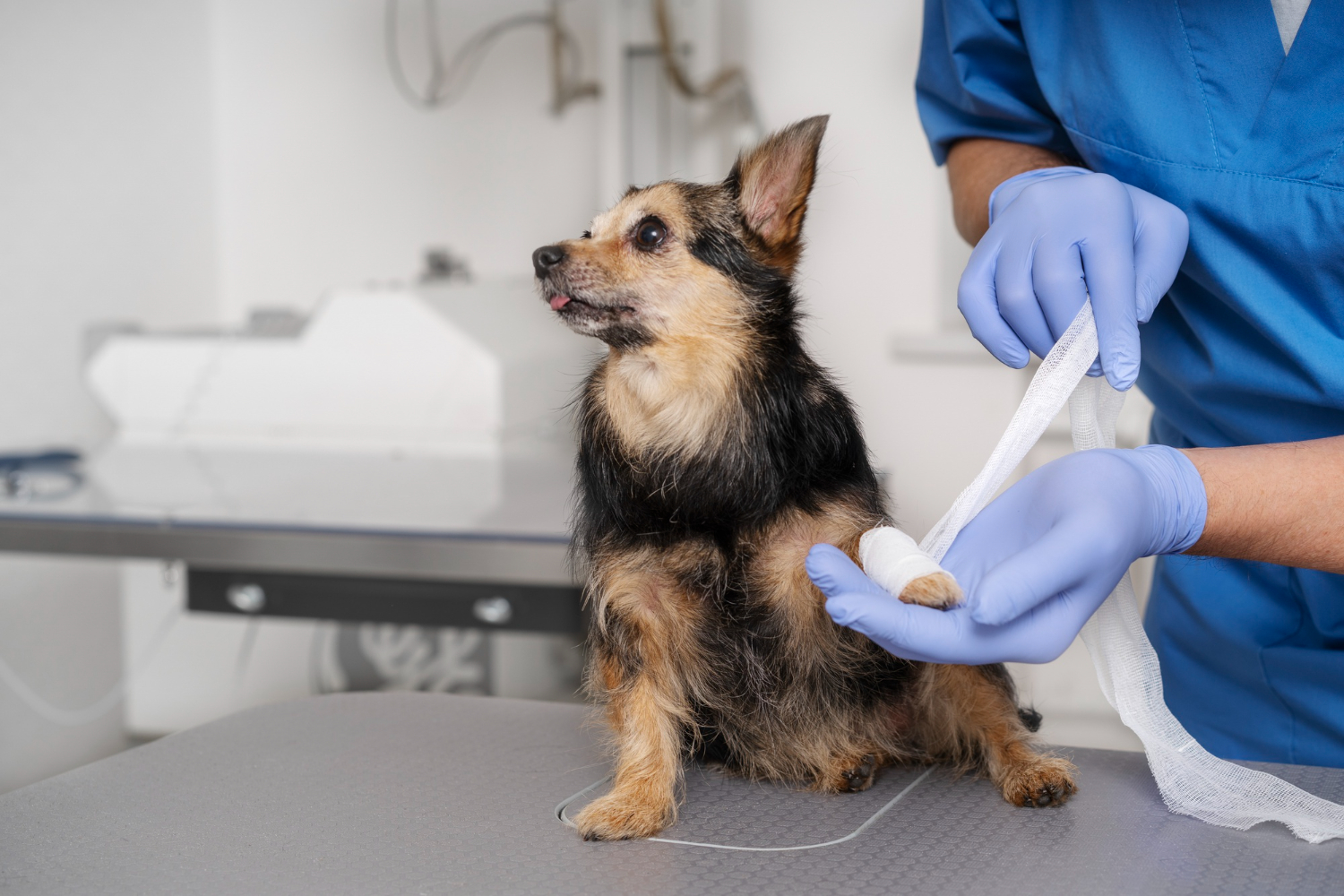
At EVE Pet Hospital, our team is ready at any hour. When you arrive, trained emergency staff will triage your pet. This means we check how urgent their condition is and start pain control as needed. A veterinarian will perform a full physical exam, focusing on the injured limb but also checking the rest of the body. We have advanced diagnostics like X-rays and testing available around the clock.
Depending on what we find, urgent treatments for limping emergencies can include:
- Splinting or stabilizing fractures
- Wound cleaning and repair
- Emergency surgery for internal injuries or blocked intestines
- Treatments for toxins, including antivenom or anti-toxin care when needed
- IV fluids, oxygen, and other supportive care
We are a fully staffed emergency vet center, not a daytime urgent care clinic. Our focus is on critical cases and pets that cannot safely wait. After your pet is stable, we can coordinate with your regular veterinarian so they can continue care during daytime hours.
In the end, trust your instincts. You know your pet better than anyone. If a late-night limp feels “off,” especially with any of the red flags above, it is safer to treat it like an emergency and get help from an emergency vet team that is ready when seconds count.
Get Fast, Expert Care For Your Pet’s Emergency
When every minute counts, our team is ready to provide immediate, compassionate care for your pet. If you are facing a sudden illness, injury, or life-threatening situation, trust our experienced emergency vet team to act quickly and carefully. At EVE Pet Hospital, we work to stabilize your pet, explain your options clearly, and keep you informed at every step. If you are unsure what to do next, call us at 480-919-8387 - we'll help you decide on the right next step for your pet.