Spring in Mesa, Arizona, starts warm and only gets hotter. Everything seems bright and active, and that includes the pets we care for. This time of year, more dogs head outside with their families, more cats roam a little farther, and everything from barbecue leftovers to blooming plants ends up within paw’s reach. That’s when a relaxing afternoon can shift quickly into a worrisome weekend.
This is when knowing where a close by emergency veterinary hospital is, can make all the difference. In spring, when new risks are everywhere and regular vet offices may be closed already for the evening or over the weekend, knowing where you can turn for fast, expert vet care matters. Whether it’s a dog overheating after a walk or a cat reacting to something it chewed on, sudden pet emergencies are far more common than most people expect.
What Spring Looks Like Inside the Emergency Room
Weekend mornings in April can start out calm. But by mid-afternoon, things often change. The phones start ringing off the hook, and the lobby fills up. People walk in with dogs panting too hard after overheating on a walk, cats hissing curled tight in carriers, or pets vomiting from something they ate when no one was looking.
Spring brings more time outdoors, so we can also see more accidents. Pets spend extra time in sunny yards or on long walks, and that sometimes leads to paw pad burns or injuries while playing. Sneaking human food also increases in frequency too. One of the biggest culprits? Picnic scraps. Guests leave plates on low tables or give even small bites that can upset a pet’s stomach. All of this adds up to a steady stream of urgent visits in the spring.
There’s a rhythm to it that changes with the weather. As temperatures climb, so does the pace inside an emergency vet office. At EVE Pet Hospital, we move quickly but carefully. We promise to do everything we can to make things feel less scary for both pets and their people.
Surprising Hazards That Bring Pets In
Some of the most common springtime emergencies start with simple things at home. You probably don’t expect danger in a freshly cleaned bathroom or a candy bowl on the counter. But to a curious nose or exploring paw, those are inviting dangers.
Here are a few hazards that often lead to a pet needing a trip to the emergency vet:
- Chocolate or sugar free candy or gum (containing xylitol) left out on counters or forgotten in those eggs the children did not find
- Even the best dog friends can get into fights over dropped food or just because it is stressful to have guests in the house
- Easter lilies and mother’s day flowers, which can cause kidney failure in cats if chewed on
- Bones, fatty foods, garlic, onions, or grapes can be dropped by guests and dogs will snatch them up before you can act
- Cleaning sprays, bleach, or detergents that don’t get rinsed fully before the pet goes scampering across the floor
It doesn't take much. One quick bite or lick can be enough. And the signs don't always show up right away. A dog may seem fine after getting into trash, but then start vomiting hours later or even the next day. A cat may hide after licking cleaner off their paws or chewing something they shouldn't have, and you don’t notice until they are still hiding after all the guests have departed.
These are the moments where awareness matters. If something feels off, it’s smart to take note early. Waiting too long can lead to longer hospital stays or more serious complications. You know your pet best, so paying attention when your pet is acting unusual will make spotting trouble much easier.
What Happens After You Walk Through the Door at EVE
No matter how many emergencies we’ve seen, EVE Pet Hospital staff treat each visit like it’s the first time someone’s been through it, because for most pet owners, it is. The first thing we do is ask what’s going on and check how critical your pet looks. If your pet is actively seizing or profusely bleeding, a tech may come take your pet directly to the treatment area for a vitals check and the doctor’s exam, while you stay at the front desk to get checked in. If your pet is more stable than some of the pets already in the hospital, we may have you wait with your pet but rest assured we will get them seen as soon as possible.
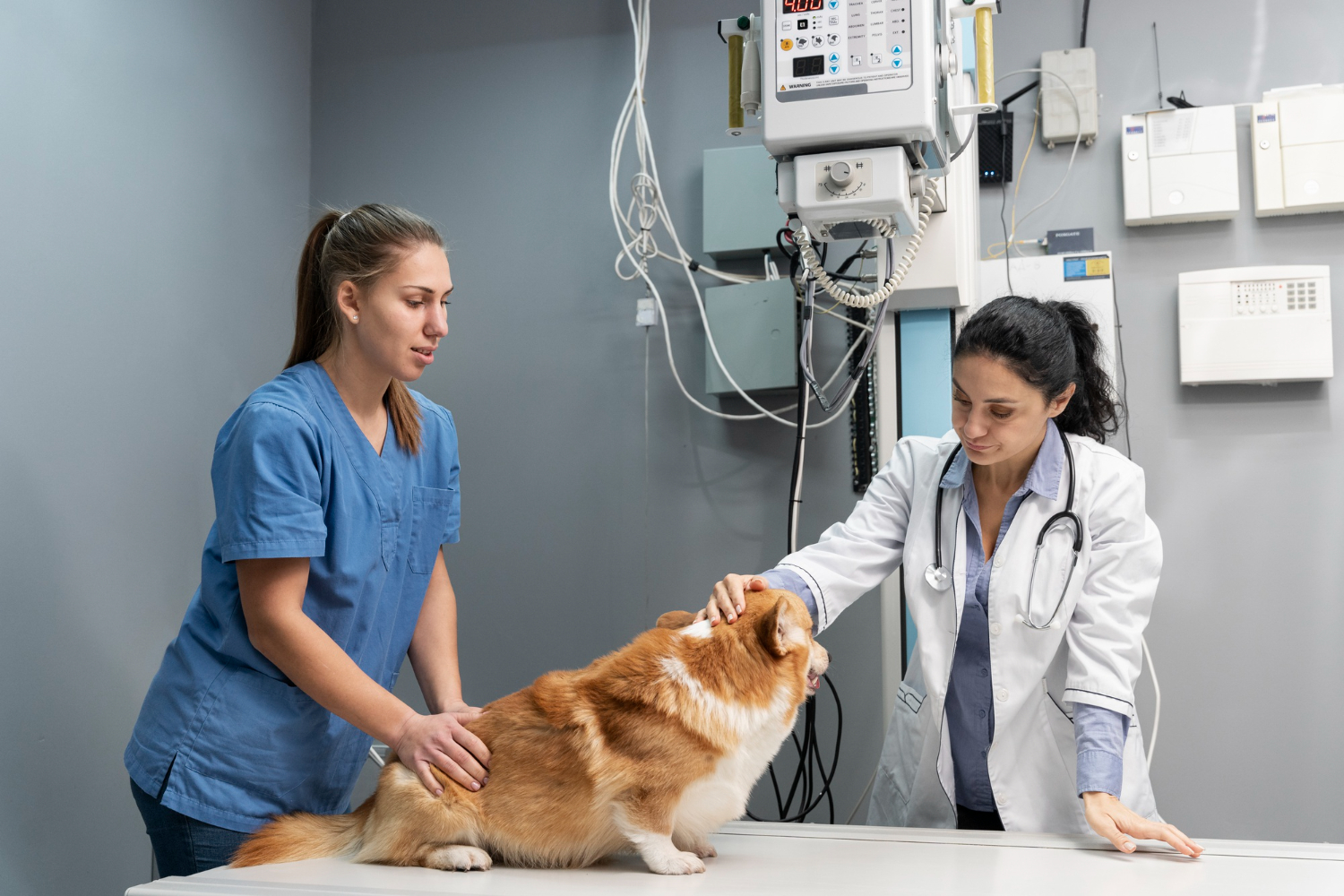
If your pet looks stable, the reception staff will ask for your information and your pet’s identifying characteristics to get you checked into our digital system. Then the exam fee will be taken. Next comes a quick tech exam. An experienced veterinary technician will check temperature, listen to their heart and lungs, and ask you questions about what led up to the visit and anything else we might need to know from your pet’s medical history. Then the technician will either take your pet to the treatment area or the doctor will come to your room to perform a complete nose to tail exam. The doctor then will discuss their exam findings and your pet’s symptoms with you to help you understand what might be happening with your pet. Some pets may need blood tests, X-rays, or other diagnostics to help determine the cause of symptoms. The Doctor will put together a plan of diagnostics and treatment options, which the tech will then go over all pricing for before any procedures are done. Your pet may need to be dropped off for diagnostics, sedated wound care or for IV fluid therapy overnight. Regardless, EVE staff will keep you well informed every step of the way.
Through all of it, the EVE goal is to be efficient while still keeping your pet as stress free as possible. Pets may need anti-anxiety or pain relief medications before we can do certain diagnostics or need full anesthesia to have major surgery performed so they do not injure themselves further by being stressed out. You as an owner and we as their caretakers may need to keep a calm demeanor too, so we do not stress your pet out more than they already are. Keeping a calm voice even when we are trying to make decisions quickly, and thorough communication can help make the process less scary for you and your pet. EVE’s goal is to keep you informed and calm, just as much as it is our goal to help your pet be comfortable.
How Vets Prepare for Spring Emergencies
We know spring doesn't creep in quietly here. In Mesa, hot days can come suddenly, so we prepare for it before the calendar flips to April. That means more scheduled staff on weekends, stocking up on emergency supplies, and regular safety reviews.
Every spring, EVE staff know to prepare for the most common types of emergencies we expect to see. This includes heatstroke, poisoning/ toxin treatments, wound care, and allergic reactions. Even if we’ve handled the same case dozens of times before, we prepare for every emergency with thorough preparation and following gold standard protocols. And we all stay on our toes because we know a unique or less common emergency can walk through EVE Pet Hospital’s doors anytime.
Having everything stocked and in easy reach ahead of time, lets EVE staff respond to any emergency. It’s not just about fast care, it’s about being calm and confident when someone’s pet is in pain and every second matters. We also use checklists and team meetings to make sure nothing is missed, especially when things get busy.
Staying Ahead of Trouble: The Pet Owner’s Role
Pet owners can make a big difference by staying alert during spring. Knowing what to clear away or keep safely stored can prevent some of the most common emergencies.
A few ways to lower the risk:
- Keep trash bins sealed or out of reach
- Make sure guests and children don’t leave food where pets can grab it
- Avoid keeping toxic plants like lilies or tulips in the home, and don’t let your outdoor pets have access to plants like oleander or sago palm
- Store cleaning products safely, and keep pets away from freshly cleaned spaces until completely rinsed and dried
Most importantly, trust your judgment. You know your pet's normal behavior better than anyone. If they aren’t acting like themselves, panting more, hiding, vomiting, or refusing food, it’s best to get them checked out sooner rather than later. Not every emergency can be prevented. But when one does happen, getting help quickly makes recovery easier for everyone. It’s also helpful to keep important phone numbers and directions to an emergency clinic, so you’re ready if something unexpected happens.
Some helpful numbers to have on hand for your family and especially the pet sitter:
- ASPCA Animal Poison Control Center (APCC) hotline 888-426-4435
- EVE Pet Hospital 480-919-8387; 430 S. Gilbert Rd. Mesa AZ 85204 or the nearest emergency vet hospital to you
- Pet2Vet for help transporting your pet to a vet hospital 480-400-9398
- Your primary care vet’s phone number and address
When Every Second Counts, Being Ready Matters
Spring brings more activity, more risks, and more reasons for pets to get into trouble. The mix of rising temperatures, outdoor fun, and tasty but maybe toxic treats or seasonal plants means we tend to see more emergencies this time of year.
At EVE Pet Hospital, we stay ready for whatever walks, limps, or gets carried through our doors. And while we prepare for every kind of case, pet owners can prepare as well. Being alert to changes and acting on gut feelings can save a lot of time and worry. When care happens fast, pets feel better sooner, and that’s always the goal.
As spring arrives in Mesa, Arizona, our team at EVE Pet Hospital stays vigilant, recognizing how quickly everyday moments can become emergencies for pets. Having an emergency veterinary hospital you can trust provides peace of mind during unexpected situations. We're always prepared to address the season's most common concerns as well as those unexpected issues, so we can respond rapidly when your pet needs urgent care. The EVE team is here 24/7 to help when it matters most. So reach out to us at 480-919-VETS (8387) or come to our hospital on the southwest corner of Broadway and Gilbert Roads in Mesa right away if your pet is exhibiting unusual behavior or signs of distress.