
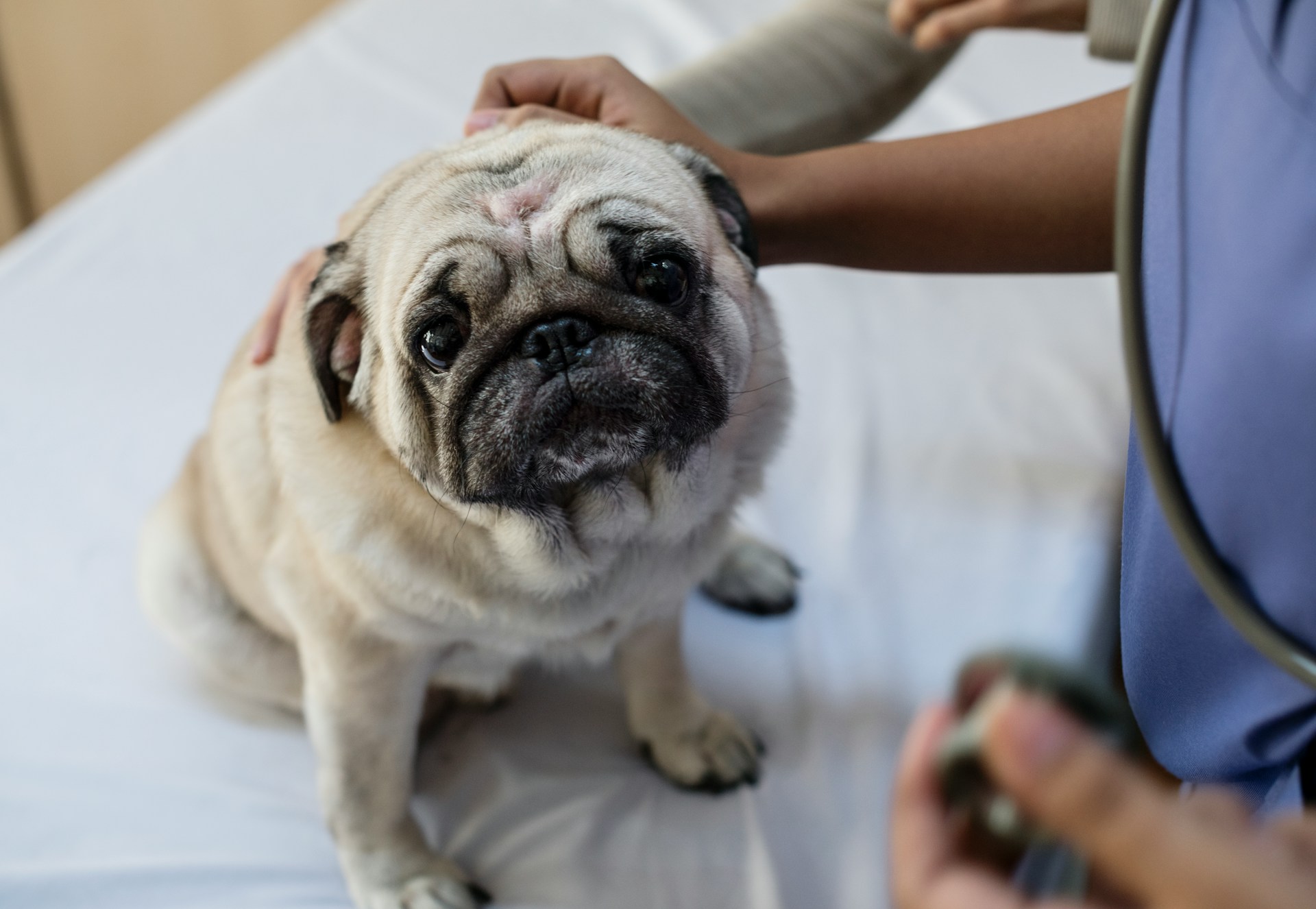
When your pet suddenly gets sick or injured, those first few minutes can feel overwhelming. It’s late, your regular vet isn’t open, and you’re not sure what’s going on. This is when a 24/7 veterinary emergency hospital can make all the difference. These hospitals are equipped to handle all sorts of situations when waiting until morning might not be safe. Knowing what to expect can help take some of the panic out of those tense moments.
Emergency visits work a little differently than regular checkups. The focus is on fast care for serious issues, not planned wellness exams or vaccine updates. Understanding how an emergency visit works, especially in the middle of the night or on a busy weekend, can help you stay calm and focused. If you’re in Mesa, Arizona, it's helpful to know where to go in an emergency and what to expect when you get there.
When to Go to an Emergency Hospital
Pets are good at hiding discomfort, but there are certain signs you just shouldn’t ignore. The biggest red flags often include:
- Vomiting or diarrhea that doesn’t stop after a few hours
- Sudden limping or pain when moving
- Heavy panting or trouble breathing
- Whining, shaking, or hiding without a clear reason
- Refusing food or water for a full day
During winter, other dangers tend to show up too. Rich holiday dishes, like ham bones or chocolate desserts, can cause upset stomachs, pancreatitis, or even poisoning. If your dog raids the trash or your cat chews on tinsel, it’s safest to bring them in, even if you’re not sure how bad it is.Sometimes quick intervention is the difference between a few hours and several days in hospital. Also exposure to cold during winter nights, even in places like Arizona because people may still leave pets outside, can also become risky faster than you think.
The bottom line is this: if something doesn’t feel right or your pet is acting in a way you’ve never seen before, it’s better to come in and get peace of mind than wait until morning when things could get worse. Emergency vet hospitals are built for moments just like that.
What Happens First: Check-In and Triage
When you arrive at a veterinary emergency hospital, the process starts right away, but it might not follow the same pace as a general practice vet visit. First, if you have never been there before you’ll be asked for all your contact information and your pets name and age to get checked into the system. Do not expect that your or your pet’s medical history will be available to the emergency hospital staff, even if you go to a regular vet under the same company.
Next comes triage, which means a technician will talk to you about symptoms, what led up to the issue, and get your pets vitals. This helps us get a clear picture of how urgent your pet’s condition is. Just like in a human emergency room, the sickest ones are treated first. So if another pet is struggling to breathe or in worse shape, they might go in ahead of you, even if you arrived earlier.
If you are waiting in a room for a little while, rejoice! That means your pet is not the worst off patient in the hospital. While waiting can be hard, especially when you’re worried, this system helps get life-saving care to those who need it most, without delay.
Talking with the Vet about testing and treatments
Your pet may be taken to the treatment area for the doctor’s exam or the vet may come into the room to look at your pet. This also depends on the triage system. If the vet cannot step away from the treatment area due to another pet, it might be faster for the technician to bring the pet to the vet. Once the vet examines your pet and has received the history from the technician, they will likely come back to the room to talk to you. The vet may ask some follow up questions about your pet’s medical history or your description of events. Then the vet will go over the results of their physical exam with you to make you aware of any abnormalities that they noticed. After that is when you and the vet discuss options for diagnostics and potential treatments for your pet. The type of tests the vet may recommend are based on the history your give, the symptoms you describe and what the vet sees on their physical exam.
Common diagnostic tests that may be recommended:
- X rays (radiographs) to look into your pets body. Things like foreign bodies in the GI tract, Stones in the kidneys or bladder, broken bones and pneumonia patterns in the lungs can often be diagnosed on x rays.
- Bloodwork to check for evidence of infection in the white blood cell counts, checking your pet’s red blood cells concentration for evidence of anemia or dehydration, and checking the function of internal organs by looking at the concentration of liver, kidney, pancreas enzymes.
- Urine testing can check for evidence of infection, diabetes and kidney damage.
- Other specific tests may be recommended such as a parvovirus test, a toxic drug screen, heartworm or tick borne disease test.
Other testing may be available on a send out method to a lab off site just like your regular vet might do. But most emergency hospitals will carry a lot of in-house testing equipment to get answers fast in an emergency.
At EVE Pet Hospital in Mesa, Arizona, critical emergency diagnostics like digital X-rays, in house blood work machines and urine testing are available around the clock. This allows the EVE team to identify the root cause of your pets symptoms quickly and begin immediate treatment, even in the most serious cases.
Common treatments that may be recommended:
- Injections of pain relief medications and sedation may be needed to be able to safely and comfortably perform diagnostics on your pet, while also providing immediate relief when they are in pain or anxious. Injections may also include antibiotics or other medications that would be indicated based on your pet’s symptoms and diagnostic results.
- Fluids may include IV administration where your pet has to stay in the hospital with the IV solution being constantly administered. But in some cases subcutaneous fluid administration can help rehydrate your pet on an outpatient basis and you would still get to take them home quickly.
- Surgery can mean anything from a minor wound being stitched up to a full open abdomen surgery to remove a foreign object or bladder stones. At EVE Pet Hospital we have the trained staff to be able to perform surgery even in the middle of the night if needed.
- Other treatments may include things like oxygen supplementation in a special oxygen concentrating kennel or nutrition supplementation through a tube going from their nose to their stomach. Additionally, urine or fecal catheters may help keep your pet clean and comfortable in the hospital as well as help the staff determine their fluid losses more accurately.
- Oral medications are often kept in stock by emergency hospitals so they can send you home with whatever your pet needs to continue taking. But if your pet needs something extra special you may be sent to a human pharmacy to pick it up.
We know it can be upsetting to not be by your pet’s side the whole time. But sometimes the best thing for them is to stay in a hospital. That’s why at EVE Pet Hospital we check in as often as we can to keep you updated. We’ll talk with you about what we’ve found and what options are next, whether that means more medicine, surgery, or longer monitoring. And if anything is unclear, always ask. EVE staff want you to feel like you understand what’s going on and are available 24/7. It can make the whole experience feel much more manageable when you feel in the loop about your pet’s care. .
Aftercare and What Happens Next
Once the emergency is under control, the next step depends on how your pet is doing. Some pets will need to stay several days so the professionals can keep a close eye on things, especially if they’ve had surgery, severe dehydration, or have eaten a toxin. Other pets with minor injuries or illnesses can go home the same day.
When your pet is being discharged from the hospital, an EVE staff member will go over everything you need to know. This includes:
- Medication schedules and how to give them
- How much rest your pet needs and what to avoid
- Whether they need a cone or to be separated from other pets for a while
- Symptoms or signs of trouble to watch for after you get home
If your pet's case is especially serious or complicated, most emergency hospitals, including EVE, provide continued observation and post-emergency stabilization right there in the facility. At EVE Pet hospital, there is a veterinarian and several technician staff present 24 hours a day. So your fur baby is never left alone during their stay. And EVE staff are available to answer your questions anytime over the phone if you still have concerns after you take your pet home.
An emergency hospital may recommend a follow-up appointment with your primary care vet down the road. But if you have immediate concerns, don’t wait. Getting help as soon as possible helps your pet heal better and faster.
Emergency Vet Care You Can Count On in Mesa, Arizona
It’s hard not to feel anxious when your pet is hurting. But knowing what to expect at a veterinary emergency clinic can lower that stress when things happen fast. Just having a plan in mind makes a difference.
We’re here when time matters most. Whether it’s a blocked airway, a bad fall, or a mystery stomach issue, our goal is to help pets get back on their feet as fast and safely as possible. With specialized, 24/7 emergency care and urgent surgery services right here in Mesa, Arizona, we are ready to help whenever you need us. And when you walk into the clinic already knowing what comes next, you can spend more energy focusing on your pet, not on what might happen next. That kind of calm helps everyone feel more in control, especially when emotions are running high.
At EVE Pet Hospital, we understand how overwhelming it is when your pet needs urgent care, especially after hours. Our team is always available to support pets and their families in Mesa, Arizona, at any time. Visiting a veterinary emergency clinic can give you clarity and peace of mind when you’re concerned about your pet’s symptoms. Acting quickly is important, so knowing where to turn in advance helps you respond fast. Give us a call whenever you think your pet might need emergency care.