
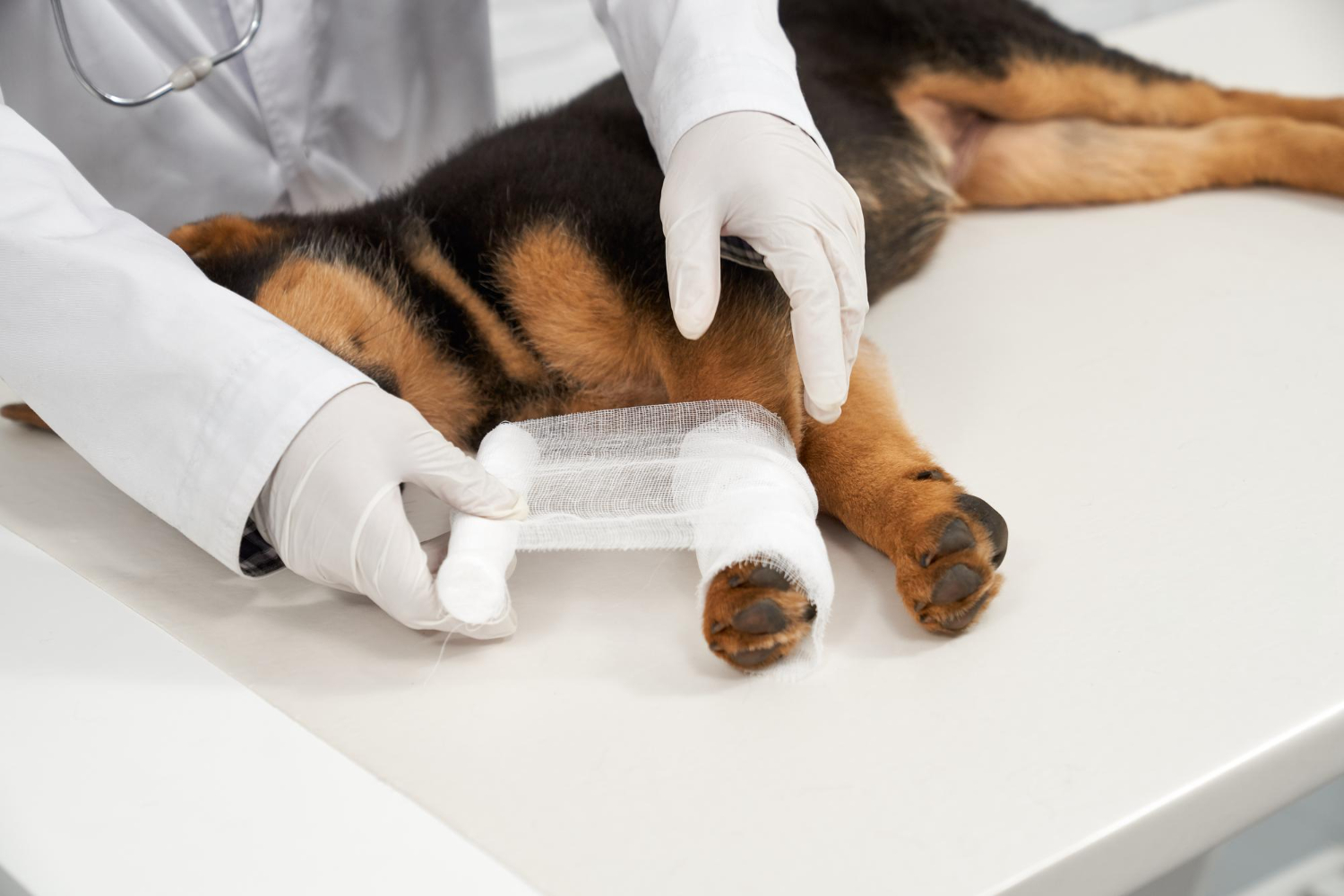
When something seems off with your pet, it’s easy to panic. One minute, they’re playing or resting, and the next, they’re limping, throwing up, or simply not acting like themselves. In those moments, many of us stop and wonder if it’s serious enough for a trip to the emergency vet. That can feel like a big decision, especially late at night or on a weekend.
Spring brings more time outside here in Mesa, Arizona. That means more chances for pets to pick up something harmful or get into trouble chasing bees, eating yard debris, or sneaking snacks not meant for them. Knowing what an emergency vet considers true emergencies helps make those nerve-racking situations a little easier to manage. It gives you a better idea of when it's time to grab your keys and when it might be okay to wait for your regular vet to open.
What Emergency Vets Look for First
When a technician first sees a pet come into the door of the ER, it does not take them long to decide if your pet can wait for check in or should be rushed to the treatment area. Every second matters in an emergency, and our first look tells us a lot.
We check:
- breathing effort and rate- labored breathing can mean anything from pain to congestive heart failure
- heart rate- elevated heart rate can mean pain or stress, and low heart rate can mean anything from internal bleeding to toxin ingestion
- gum color: normal gum color should be a bright bubble gum pink, pale or blue gums could indicate your pet has poor blood pressure or is not getting enough oxygen
- body stance: if a pet is obviously favoring a limb it could be fractured and your pet would benefit from an immediate pain relief injection
- alertness: if your pet is going in and out of consciousness that could mean anything from a toxin to a brain tumor
Emergency vet facilities use what’s called triage, just like human ERs do. Each case is sorted by how serious it is to determine the order in which the case is seen by the doctor. That’s why one pet might be seen right away while another who got there first might have to wait longer. It’s never about being unfair, it’s about giving help to who needs it most, as fast as possible.
Big Signs That Always Need Fast Care
Some symptoms tell us right away that it’s an emergency. This list is just an example of things we recommend coming right to an emergency veterinary facility for.
- Trouble breathing, choking, or abnormal sounds when inhaling
- Gums that are white or blue instead of pink
- Vomiting more than 1 time or vomit that has any blood in it.
- Diarrhea that is extremely bloody or lasts more than 48hrs
- Seizures, wobbly/ difficulty walking, or sudden collapse
- Eating anything toxic like chocolate, grapes or medication
- Eating anything sharp like bones or plastic
Spring can be tricky because pets often get more freedom, and that means more temptation. Trash bins, yard tools, and leftover food become danger zones. We also see pets get into cans of fertilizer or drink from puddles treated with chemicals. When these signs show up, waiting could mean things get worse fast. Calling or coming in is always better than second-guessing yourself. If you are still unsure if you need to come in, please call us at 480-919-(VETS)8387. EVE staff are available to discuss signs or symptoms with you and can tell you if they recommend your pet be brought in right away.
When It’s Not Clear but Still Worrying
Not every emergency looks like one. Sometimes pets act normal until they don’t. Maybe your dog starts limping after a walk or your cat refuses a meal. It can be hard to know what is serious. Pets who suddenly stop eating or walking may have internal pain. Even small changes like hiding or snapping can mean something is wrong. If your cat stops grooming or your dog doesn't want to go outside, pay attention.
Pain in pets hides in strange ways. Animals don’t always cry or whine, so it's often the little behavior shifts that matter most. We’ve seen many cases where an owner’s gut feeling turned out to be right. It’s okay to feel unsure. Just know that something that seems small can grow into a bigger issue if it’s ignored. Best to get your pet checked by veterinary professionals for your peace of mind.
What Happens Once You Arrive
Coming in to see an emergency vet might feel stressful, especially if your pet is not a fan of car rides. But rest assured, EVE staff are ready to jump into action quickly in the treatment area, even if everything looks quiet up front. When you arrive, usually at technician will do a quick once over of your baby to decide if they can wait with you or should be taken to the back immediately for some kind of intervention while we check you in. After we get all your information to open a medical record, we will ask you what signs and symptoms have brought you in and ask if your pet has any relevant medical history. The technician will take your fur baby to the treatment area for vitals recording and for the doctor to do a thorough physical exam. Then the doctor will come speak with you about the findings on the exam, and what further diagnostics and treatments they recommend. Tests like X-rays or bloodwork are most often recommended to get a good look at the inside workings of your pet that are not readily apparent just on a physical exam. There are other more specific disease tests and urine tests that may be recommended based on your pet’s history and clinical signs.
You might be asked to stay in the exam room or the lobby while we perform diagnostics. Or we may allow you to drop off your pet and we can call you when all diagnostics are completed. This isn’t meant to keep you in the dark, it helps EVE staff work quickly and efficiently in the treatment area instead of having to come back and forth with your pet from the room to our diagnostic rooms. Based on the diagnostic results, we may make further recommendations for treatment. That could be medication, fluid therapy, or sometimes surgery if it’s something urgent.
How Weather and Season Shape Emergencies
Spring in Arizona brings warmth, blooming plants, and more time outside. That mix creates potential pet dangers we always look out for during this time of year.
- Dogs overheat faster during hikes or long car rides, especially in rising temps
- Curious pets may get stung by bees or poked by cactus spines
- Garden tools, fertilizers, and backyard cleaning products can be tempting yet dangerous
We see more escape attempts in spring too. Gates left open or distractions during yard work lead to dogs running into busy streets or cats sneaking into garages. These seasonal habits shape how we prepare during spring and why we stay alert to certain patterns every year.
Trusting Your Instincts Can Save Time
You know your pet better than anyone. When something feels off, we always say it’s better to check than to wait and hope. Many owners who bring their pets in “just in case” end up helping catch problems much earlier, which often means a better prognosis than if they had waited.
Emergencies don’t always yell for attention. Some sneak in slowly or your pet may mask the true level of pain they are feeling. By understanding how an emergency vet looks at situations, you can feel more confident in your choices. You’ll spot those red flags faster and feel calmer knowing when to step in.
Trust your instincts whenever you’re uncertain about your pet’s health or safety. Waiting can often make things worse. With springtime hazards in Mesa, Arizona, from overheating to unexpected snacking, it’s always best to ask questions early. We’re here to help when something just doesn’t feel right. Call EVE Pet Hospital at 480-919-VETS (8387) any time you’re concerned you might need an emergency vet.