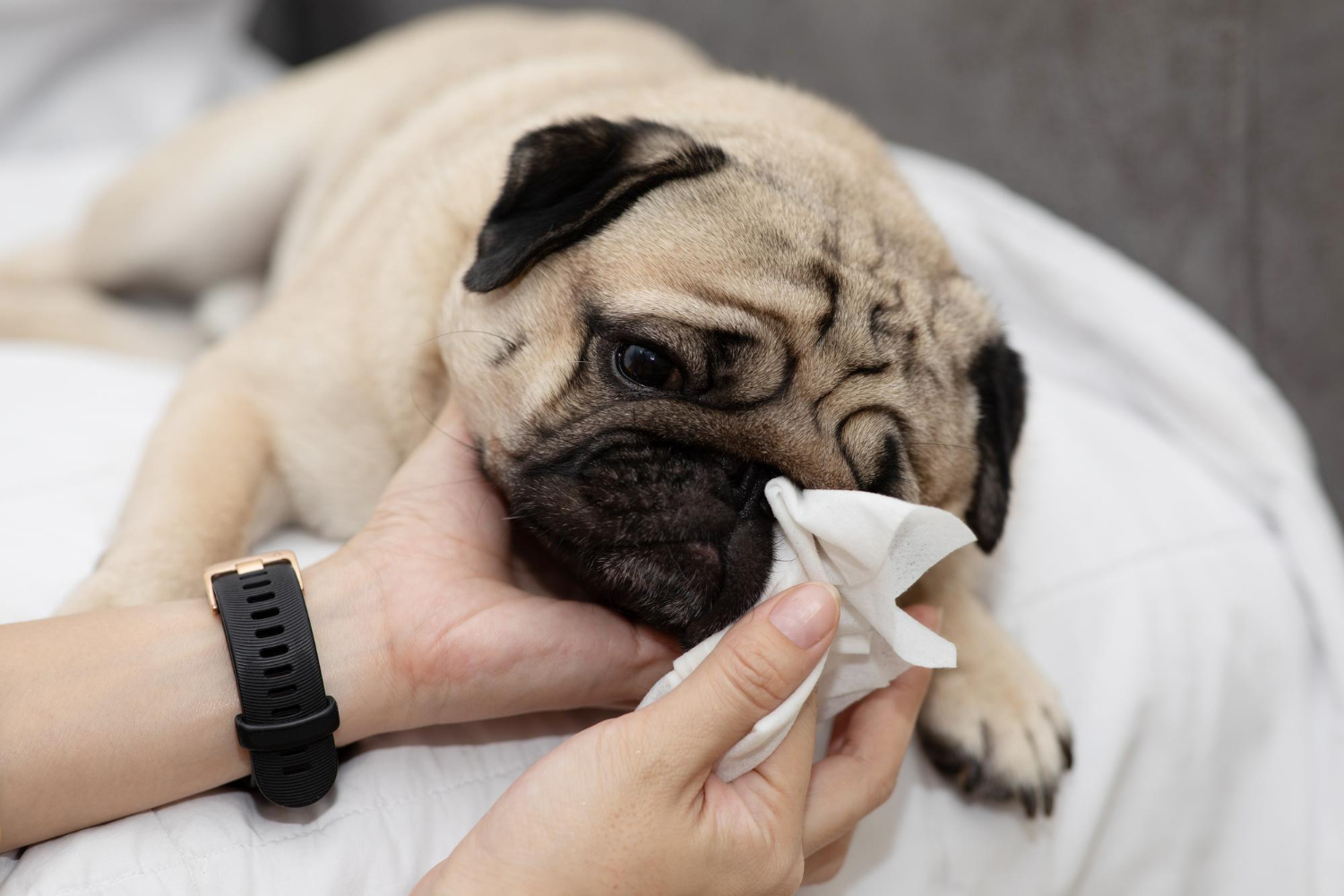
Spring in Mesa, Arizona, usually means longer days, blooming plants, and more time spent outdoors. But for pets, this season can bring more than just sunshine and fresh air. As pollen blows through the desert and dust kicks up, we start seeing more dogs and cats with strange new symptoms. Spring allergies aren't just a human problem, and when those allergy signs turn into bigger health concerns, it might be time to seek veterinary urgent care.
We want to help you understand how spring can affect your pet, what symptoms are worth watching, and when it’s best to make that extra trip to the vet.
How Spring Affects Pets Differently Than People
Allergies show up in pets in ways that aren’t always obvious. While people often sneeze or get watery eyes, pets tend to react through their skin or gut.
- Many pets will scratch more, lick their paws constantly, or rub their faces on furniture
- Irritated skin and red ears are common signs of allergy stress
- Some dogs or cats seem more tired, skip meals, or don’t want to play the way they did a few weeks ago
These signs can come and go with the weather, especially when pollen counts shift quickly. Mold and dust in the air after spring yard work or desert blooms can trigger reactions in sensitive pets.
You might also notice that your pet starts to act differently when the wind picks up or after spending time outside. Sometimes, symptoms show up as changes in behavior, like a normally playful dog becoming less active or a friendly cat spending more time alone. Pay close attention to scratching, especially in places like between the toes or around the ears, and check if your pet is losing fur in small patches. Even mild allergy issues can lead to bigger problems if left untreated during spring, so early detection is important.
Common Spring Allergy Symptoms That Shouldn’t Be Ignored
Not all itching is caused by fleas, and not every upset stomach is from food. When symptoms stick around or get worse, they may be linked to seasonal allergies.
- Red, itchy skin that your pet keeps licking, especially on the belly, feet, or underarms
- Head shaking or constantly scratching ears, sometimes dark discharge from the ears
- Loose stool, vomiting, or gurgly tummies that don’t settle after a day
If these problems show up each spring and don’t go away quickly, they could be part of an allergy pattern. Even mild symptoms may need attention to stop them from flaring into something worse.
Seasonal allergies can appear differently in every household. Some pets constantly shake their heads, while others focus on licking their feet or chewing at a particular spot. Sneezing is more common in dogs than cats, so note whether your dog has short bursts of sneezing after being outside. Watch for pets biting at their skin, rolling on their backs, or rubbing their faces on the carpet. Unusual odors from ears or an increase in ear scratching should also be checked. Frequent diarrhea or vomiting that occurs daily is not typical for healthy pets during spring and should be brought up with your vet, especially if it persists longer than a day.
When a Simple Allergy Becomes an Urgent Health Problem
An itch that won’t quit can go from annoying to dangerous faster than people realize. Pets often make things worse by chewing or licking the same spots over and over.
- Open wounds or hot spots can become infected quickly and need medical care
- Swelling around the face, hives, or trouble breathing can be part of an anaphylactic allergic reaction- which can be life threating
- If your pet stops eating, avoids drinking, or hides more than usual, don’t wait to act
These are signs something deeper is going wrong. What started as an allergy might now be affecting their whole system. That’s where veterinary urgent care comes in. In Mesa, Arizona, spring gives us beautiful weather, but it also brings extra things in the air and on the ground that can make pets sick fast.
When your pet starts to act uncomfortable, watch for sudden changes in their breathing or swelling you can see under the skin. If you see hives or red blotches on the body, or if your pet seems to gasp, pant heavily, or wheeze, these are signs you should take action right away. A pet that’s lethargic, doesn’t respond when you call, or hides much more than usual could be experiencing signs of an underlying health issue. If your cat or dog is uninterested in food or water, or if you notice a change in their alertness and mood, these are not things to wait out. Springtime can make many health conditions pop up, so being watchful helps keep your pet safe.
Hidden Spring Hazards Around the Home and Yard
Allergies aren’t just caused by plants or pollen. Everyday items used around the house or outside can trigger reactions too.
- Fertilizer and weed killer left on lawns or sidewalks can irritate paws or upset your pet’s belly if licked
- Mold or pollen tracked inside on paws or fur can collect in your pet’s bedding or favorite spot
- Open windows let fresh air in but also let more allergens spread through the house
And with more time outside, your pet may be around allergy triggers more than usual. Baths and clean bedding help, but sometimes avoiding these things isn’t enough.
It’s easy to overlook how many household and yard items can bother your pet in spring. Even cleaning sprays and air fresheners can cause sneezing or make your pet’s skin feel itchy. Be careful with any products used for gardening, and always keep bottles out of reach since curious pets might sniff, lick, or walk through spills left behind. After working in the yard, wipe your pet’s feet before coming inside, and shake out blankets and beds to get rid of dust and pollen. Remember, pets may lick their paws after a walk or roll in the grass, picking up irritants quickly. Regular brushing after time outdoors can help remove small particles and cut down on itching or discomfort.
What Happens During an Allergy Visit and How Vets Can Help
When we see a pet with spring allergy concerns, we start by looking at what part of the body is most affected.
- Skin checks help find rashes, bites, or irritation
- We may look inside the ears or feel the belly to spot swelling or pain
- Sometimes we run tests to rule out infection or food issues
Medication might be needed to stop the itching, heal infections, or bring the belly back to normal. If breathing trouble or swelling is present, we treat that right away. Injections to stop the allergic reaction in its tracks is available for those pets that have a more serious reaction.
Your vet may also talk to you about changing your pet’s routine during allergy season, like giving more baths or switching to a dust-free bed. Sometimes, short-term medications are given to settle itching and help heal skin or ear problems before they turn worse. If your pet has ongoing stomach issues or vomiting, tests may be done to make sure there isn’t a deeper cause. The goal is to get your pet comfortable again and stop allergies from leading to infection or bigger health issues.
We want you to feel comfortable asking questions if something looks off or doesn’t fit your pet’s usual pattern. Allergy visits help discover what’s causing your pet’s symptoms and make a plan for feeling better. Early care can prevent weeks of discomfort or secondary issues that need more intensive treatment. Trust your instincts as a pet owner. If you’re worried, we would rather check your pet sooner than wait for things to get worse.
Signs of Spring to Watch So Your Pet Can Feel Better, Faster
When our pets aren’t acting like themselves, it can be hard to figure out what’s wrong. A little extra scratching or a skipped meal might not seem like a big deal at first. But spring brings things that can quietly build up and lead to more serious trouble if left alone.
We always suggest keeping an eye on small changes during allergy season. If your pet starts licking the same spot too much, losing interest in food, or showing signs of discomfort, those signals could be telling you it’s time for a check-in. The sooner we help them feel better, the more they can enjoy the best parts of spring.
Sometimes, it’s the small clues that matter the most. Maybe your dog looks restless after being outside, or your cat grooms more than usual without obvious reason. Keep notes of any new symptoms or patterns you spot. Acting early can ease discomfort and help your pet heal faster, preventing allergies from turning into a long-term health problem. When you notice changes in eating, drinking, energy, or the way your pet interacts with you, consider reaching out for advice. Spring is a wonderful time to make memories with your pets, and keeping them comfortable means everyone enjoys the new season together.
At EVE Pet Hospital, we understand that spring brings new concerns for pets, especially for those dealing with allergies. While some symptoms may resolve quickly, others can become serious without prompt attention. We’re here to help when minor issues turn into bigger worries. When your pet shows signs like scratching, swelling, or digestive upset, trust our veterinary urgent care for attentive and effective support. Call us anytime at 480-919-VETS (8387) to get your pet on the road to feeling better.