
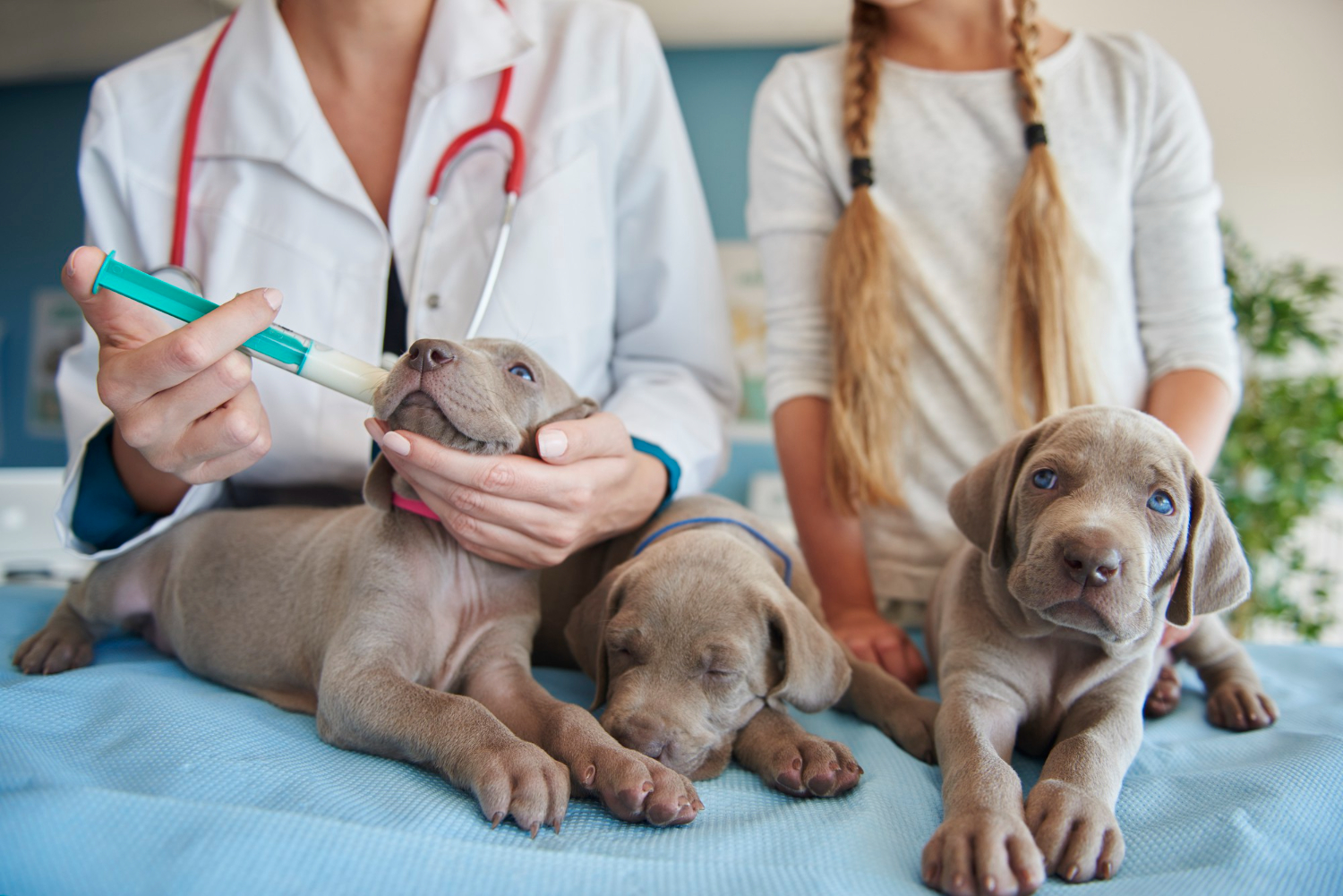
A tough day at a pet emergency hospital doesn’t look the same from one hour to the next. There’s no set pattern and no telling what might come through the door. One minute we’re checking in a sleepy cat with a limp. The next, we’re racing to stabilize a dog that is bleeding out.
Here in Mesa, Arizona, life moves fast. So do the emergencies. Pets can get into trouble without warning, and when they do, a pet emergency hospital becomes a lifeline. From one dawn through the night until the next dawn, EVE is here to help animals and their owners during their scariest moments. It’s not quiet work. It moves quickly, and it changes constantly. But here at EVE, we’re always ready, no matter what shows up.
Early Morning Rush: Overnight Emergencies and Dawn Drop-Offs
Early mornings often begin in one of two ways. We might already be mid-treatment with a pet that came in during the night, or we’re greeting new arrivals brought in as the sun comes up.
Dogs and cats with breathing trouble, sudden bloating, or diarrhea are common during these early hours. Their families may have waited overnight, hoping things would improve, or they may have woken up to the mess around the house that made them realize it was time for help. Other times, pets were already admitted at night and are now stable but still need monitoring or surgery.
Here’s what we usually see:
- Pets recovering from overnight illness or urgent overnight surgery
- Animals brought in after things went wrong late at night
- The team gathers for “rounds” where we hand off between day and night shift, and day shift makes treatment decisions for those pets already in hospital before most triages for the day start
It’s not quiet, and it’s not slow. Morning care starts before most people have eaten breakfast.
Late-Morning Surprises: Urinary blockage or Tummy Trouble
By mid-morning, we usually see a wave of pets whose owners waited for the regular vet to open, just to be told their primary care vet is already booked with appointments and cannot fit them in. Or their primary care refers those pet parents to emergency services because their symptoms indicate hospitalization or surgery may be needed that the general clinic cannot accommodate.
- Vomiting after eating something inedible or dry heaving with a bloated stomach
- A cat or male dog that is straining to urinate
- Lethargy or odd behavior that may indicate toxin ingestion
Around the holidays, we often see more of these cases. Leftover treats, rich gravies, or decorations with strings or wrapping ties can look like toys or snacks to curious animals. When something gets stuck or poisonous food is absorbed, even strong pets can go downhill quickly. Another part of the holidays that affects our pet is the change in routine. A stressed out cat can have a blocked urinary tract even without infection or bladder stones.
A big part of our job during this stretch of the day is figuring out what a pet might have eaten, locating the problem with X-rays or testing, and deciding if surgery or unblocking treatment is needed urgently to bring that pet relief.
Afternoon Challenges: Limping, Fights, and Sudden Toxicities
After lunch, things tend to shift more toward injury and sudden toxicities. Pets playing outside, walking on hot pavement, or darting through the yard can end up with all kinds of trouble, especially when the weather is mild and families enjoy time outdoors. And those curious pets are always sniffing to find anything in the bushes while taking g a walk or they are underfoot as you are preparing food in the kitchen.
Here are a few things that often show up during the afternoon:
- Dogs limping from jumping off things, landing poorly when jumping to catch something, or running into something
- Scratches or bites from other animals, whether at dog parks or in your own backyards
- Pets acting strange, disoriented, or falling over unexpectedly after they picked something up on a walk or off the kitchen floor
Sometimes we see several cases all at once. That’s when triage strategy takes effect. We quickly figure out who is the most critical, who needs help fastest and move through exams, tests, and treatment as efficiently as possible, without losing focus. In busy hours like this, teamwork and planning keep things moving while making sure every patient is seen and cared for. But there may often be a wait for those pets with more stable conditions.
Evening Chaos: When the Unexpected Gets Worse
Evenings often bring the biggest rush of the day. When people arrive home after work, they can finally slow down enough to notice something wrong with their pets. Maybe a dog didn’t eat all day. Maybe a cat has left vomit or urine all around the house. Maybe there were signs earlier but no adult had time to act until now because they were at work.
Once the evening hits, it’s full-speed again. Common cases during these hours include:
- Pets that have been unable or unwilling to move all day
- Pets that are hiding instead of greeting the owner at the door, or otherwise acting strange
- Vomit or diarrhea found in the house, or owners find the food bowl still full from that morning
This is when we prepare for anything. A pet may have seemed fine in the morning but now can’t stand. Or maybe early symptoms were missed while the house was busy. EVE Pet Hospital often admits new patients for overnight care so they can be monitored or stabilized until morning.
When the waiting room fills up and more emergencies walk in, we stay ready to adjust. Whether it’s a dog who ate something dangerous after dinner or a cat showing new signs of illness, the EVE team is here to help figure out what’s going on.
Why Quick, Skilled Care Makes the Difference
A full day at a pet emergency clinic can stretch from one serious case into the next with barely a break. Each hour brings something different, from urinary blockage to foreign object removal, from scratches and limps, to seizures and collapse. Some problems are clear right away. Others need more time and testing to be sure. But no matter the situation, we don’t let pets go through it alone.
At EVE Pet Hospital, our emergency team is prepared for every kind of critical case. With in house laboratory diagnostics and 1 hour X-ray interpretation, the staff at EVE can rapidly diagnose and start intervention like stabilize trauma cases or perform surgery at any hour. As a women-owned practice, we are dedicated to compassionate care and clear communication for local families during every stage of your pet’s emergency. Fast, focused attention can change everything. When animals are hurt or sick, quick action can make the road to recovery shorter and kinder. And for their families, knowing care is always close, at any hour, can bring real peace of mind.
At EVE Pet Hospital, we understand that emergencies with your pet can happen at any time, and our team is always prepared to support you when the unexpected occurs. Rapid care truly matters, whether your pet has ingested something harmful, is unable to stand, or just isn’t acting like themselves. For local families searching for a trusted pet emergency hospital in Mesa, Arizona, EVE has focused our services around being ready when your pet needs us most. Reach out to us anytime at 480-919-VETS (8387), day or night. Your pet’s emergency is our priority, 24/7.